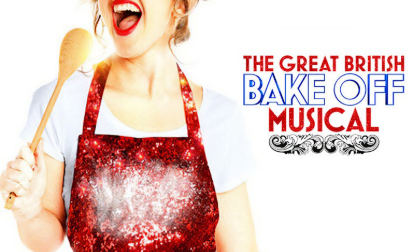
Being cast in The Great British Bake Off Musical is both exciting and terrifying. It’s a brilliant show, but also a complex one – full of harmonies, overlapping dialogue, and quick transitions. Because it’s a parody of the TV show, the cast are on stage for around 90% of the performance. There’s no hiding. Every move, every note, every moment counts.
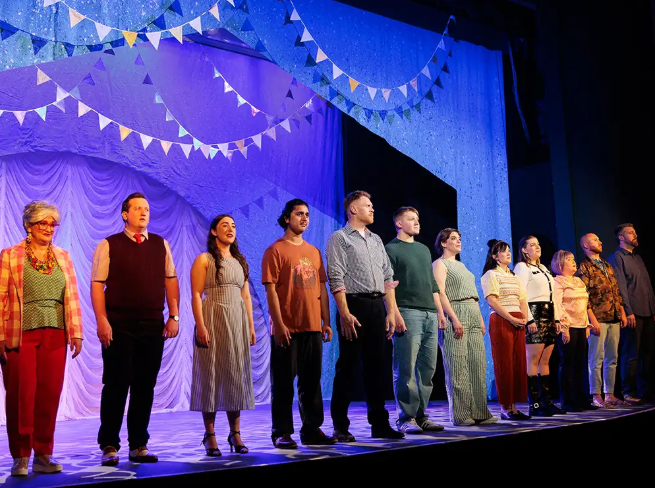
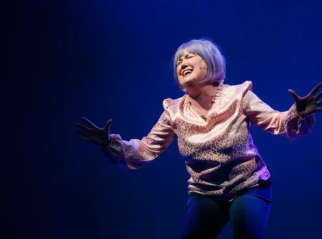
I went to see a production of it last Saturday at the Joseph Rowntree Theatre in York, and walked away genuinely blown away by the cast and performances. The role of Babs was a real standout – sharp, funny, and beautifully sung. There were some sound issues; the band occasionally overpowered the vocals and a few solo moments lost consistency. But viewed through the lens of an amateur production, it was an impressive achievement across the board. Seeing it live gave me a much clearer sense of the show’s rhythm – how the songs and libretto flow from start to finish.
The role I’m playing, Ben, was well-acted by the performer in that production. He carried the vocals solidly, though it missed a bit of warmth and charisma. Gemma’s role, meanwhile, is a fine balance to play – written as insecure but bubbly, she risks coming across as self-deprecating for validation if not handled carefully. It’s a northern character full of heart, so it needs lightness and sincerity rather than self-pity.
We’ve had a number of rehearsals now, and I’ll be honest – a lot of it is still a blur. I’m struggling to retain some of the harmonies we worked on last week, and without recordings to reference, it’s hard to anchor them in memory. Maybe that’s normal; maybe it’s just part of my process. Either way, I’ve found some extra singing support outside of rehearsals to go over the songs once a week, so I’m doing what I can to keep building confidence and stamina.
It’s a lot to learn, but it’s also a privilege. Stepping into this show feels like throwing myself into the deep end – and trusting I’ll learn to swim somewhere between the notes.