Where I Draw the Line With AI in My Music

I’ve been thinking a lot about where AI fits into my creative process and where it doesn’t. The conversation around AI in music is messy, and as an independent artist I’ve had to figure out what feels authentic for me.

This is the clearest way to put it:

AI does not touch my music.
It doesn’t write my songs, sing my vocals or replace my creativity.
The emotion, the voice, the writing, the delivery, that’s all mine. That part of the process is human, personal and lived. I don’t want a machine doing what only experience can do.

Where AI does help is in the visual planning stage.

I realised something important while working on the early ideas for the GHOST2·0 video. I don’t want a fully AI-generated video representing my work. It doesn’t sit right with the message I’m putting out: human music, human emotion, human storytelling. What the AI draft did give me, though, was a blueprint. It helped me map out pacing, scenes, mood and atmosphere — and now I’m using that as a guide to film real footage myself.

So the final GHOST2·0 video will be made with actual camera work, real shots of me, real movement and a mix of curated visuals. The AI version wasn’t the product — it was the storyboard.

The same applies to artwork. I only use AI to sketch out concepts I already have in my head. I don’t have access to full studio setups for every release, but I still know exactly how I want things to look. AI helps me prototype the idea, and then I shape, edit and build the final visual myself. It supports the vision — it doesn’t create it. That is done in photoshop.

For me the line is simple:

AI can assist the process.
It cannot replace the artist.

Some people use AI to make songs even if they can’t sing or write melodies. I get why, but that’s not the path I’m on. Being an artist is a craft. It’s taken me three years of learning, failing, improving and finding my voice to get to where I am, and I’m still evolving. A perfect AI-generated vocal might sound impressive, but it’s emotionally empty. There’s no breath, no intention, no lived moment behind it.

I’m not interested in AI making my music for me.
I’m interested in tools that help me express the ideas I already have — more clearly, more creatively and more affordably.

The heart of the work stays human.
AI just helps me build the world around it.

I know some people will say that AI music gives them the chance to create songs even if they cannot sing or write melodies. I understand the appeal, but that is not the same as being a music artist. Singing, writing and learning how to express yourself through sound is a craft. It takes years to develop. For me it has taken three years of learning, failing, improving and creating my own songs to reach the point I am at now. It is still a constant evolution.

The work changes as I change. When an AI sings a perfect vocal or produces a flawless melody, it might sound impressive but it is emotionally hollow. There is no lived experience behind it. There is no breath, no intention, no vulnerability. The imperfections in a real vocal are part of what makes music human. An AI can imitate the shape of a song, but it cannot give it a soul.

I am not interested in AI making music or performing vocals. I am interested in using whatever tools help me express an idea more clearly and more affordably. The heart of the work remains human. AI just helps me reach the parts of the process I cannot reach on my own.

Scrolling For Love — Where the Song Was Born

Scrolling for Love came out of a pretty blunt reality: after being single for more than five years and living in a place where I rarely cross paths with other gay men, the only place to meet people is online. And honestly? It feels wrong most of the time.

Everything about modern dating apps feels engineered, curated profiles, photos that look nothing like real life, endless swiping, people disappearing mid-conversation, and a whole ecosystem built around selling the fantasy of connection. It’s transactional, shallow, and at times completely scammy. I don’t meet people in real life here, but online doesn’t feel like real life either. So you end up stuck between two worlds.

That’s where the song came from.
Not heartbreak. Not yearning. Just frustration.

And that same frustration runs through the music world too. Online spaces are gatekept. It’s not that my audience isn’t out there, it’s that modern platforms decide who gets seen. Everything is pay-to-play now. Organic reach is practically dead. If you’re not “viral,” “TikTok safe,” or “Insta-worthy,” you’re invisible.

Meanwhile the human psyche is addicted to outrage, drama, and conflict — the exact opposite of the kind of music or energy I put out. So you either play the game or you accept its limitations. Scrolling was my way of choosing neither, just naming the experience without turning it into a performance.

If anything, the song is about building healthier expectations and boundaries around the online world. Knowing what I’m actually looking for. Knowing what I refuse to chase. And being honest about the fact that both love and music now live inside systems that don’t always reward sincerity.

Scrolling for Love was me channelling all of that, the loneliness, the algorithm, the fake connection, the hope, the irritation, the honesty. It was the moment I stopped blaming myself for something that’s bigger than me.

And that’s the heartbeat of the song.

Announcement: GHOST2·0 – Pre-Save Now Live

GHOST2·0 is officially on the way.

GHOST2.0


This new version is bigger, cleaner, and more cinematic — the sound I always wanted this track to have. It’s fully re-produced from the ground up and hits a lot harder than the original.

The pre-save is now live, and it genuinely helps more than anything. If you’ve been following my music this year, this is the one I’m most proud of so far.

Pre-save GHOST2·0 here:

Release date: 9 January 2026.
More updates soon.

Yearning, Craving, and Getting Real

Over the past few days I’ve been watching a creator called ContraPoints on YouTube, and it’s genuinely been a game-changer for me. Her videos are long, philosophical deep dives into culture, psychology, identity, art, and the way we make sense of the world.

Andrew Flynn Music

It was exactly what I needed after feeling bored with mindless streaming. Most shows feel average or repetitive, and I’d been craving something that wasn’t afraid to go deep or handle complexity. Her Twilight deep dive surprised me by going into really rich territory about desire, fantasy, and human psychology.

That’s where she talked about yearning and craving, and it hit me harder than I expected.

Yearning is longing for something that doesn’t actually exist. It sounds like: “I miss the good old days,” “I just want things to be like they used to be,” “I want that perfect partner or perfect life I imagine in my head.” It’s a longing for a lost past that can never return or an idealised future that was never real to begin with. Because the thing itself isn’t real, yearning can never be satisfied.

Craving is different. You can satisfy a craving, but only for a short time. It sounds like: “I’m craving a drink,” “I need sugar,” “I want a big night out.” These things can be reached. You can have the drink, the sweets, the night out. But an hour, a day, a week or a month later the craving comes back. It never stays.

That’s when I realised my old idea of success in music lived in the yearning category. It was this vague fantasy version of something I’d never defined or experienced. And craving was the temptation to chase viral moments or quick hits of validation that fade instantly.

Seeing it clearly has reset everything for me.

I’m done with fantasy goals. I’m focusing on real, grounded, intentional progress that I can actually experience and build on. GHOST 2.0 is my first step in that direction.

Reimagining Ghost: New Artwork Inspiration!

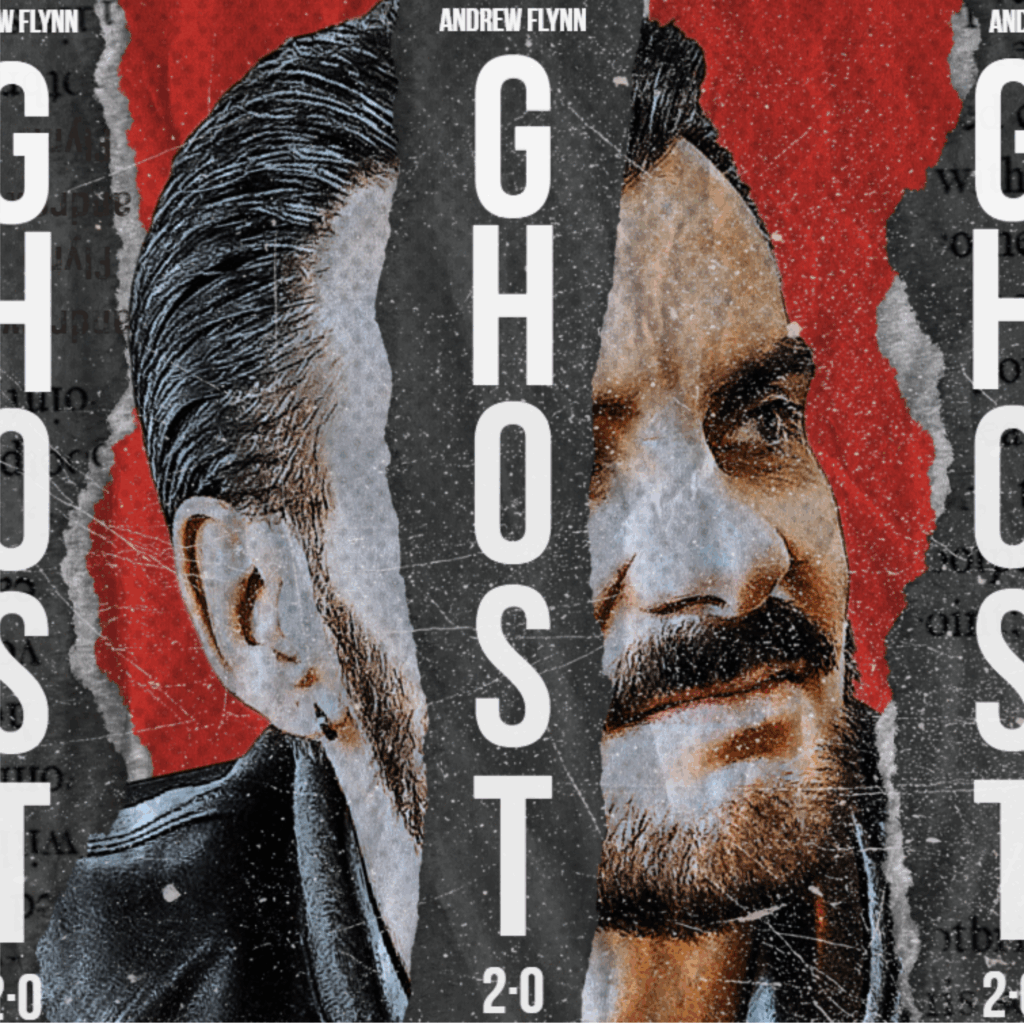
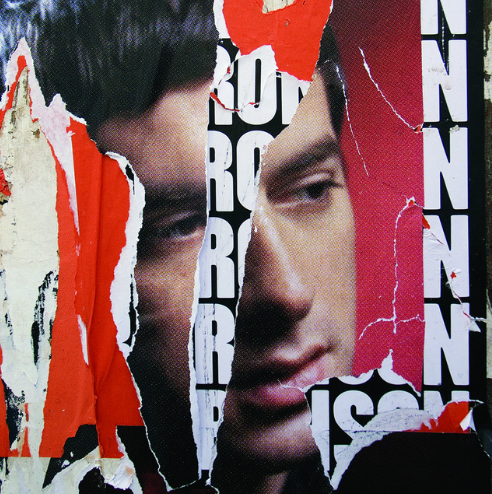
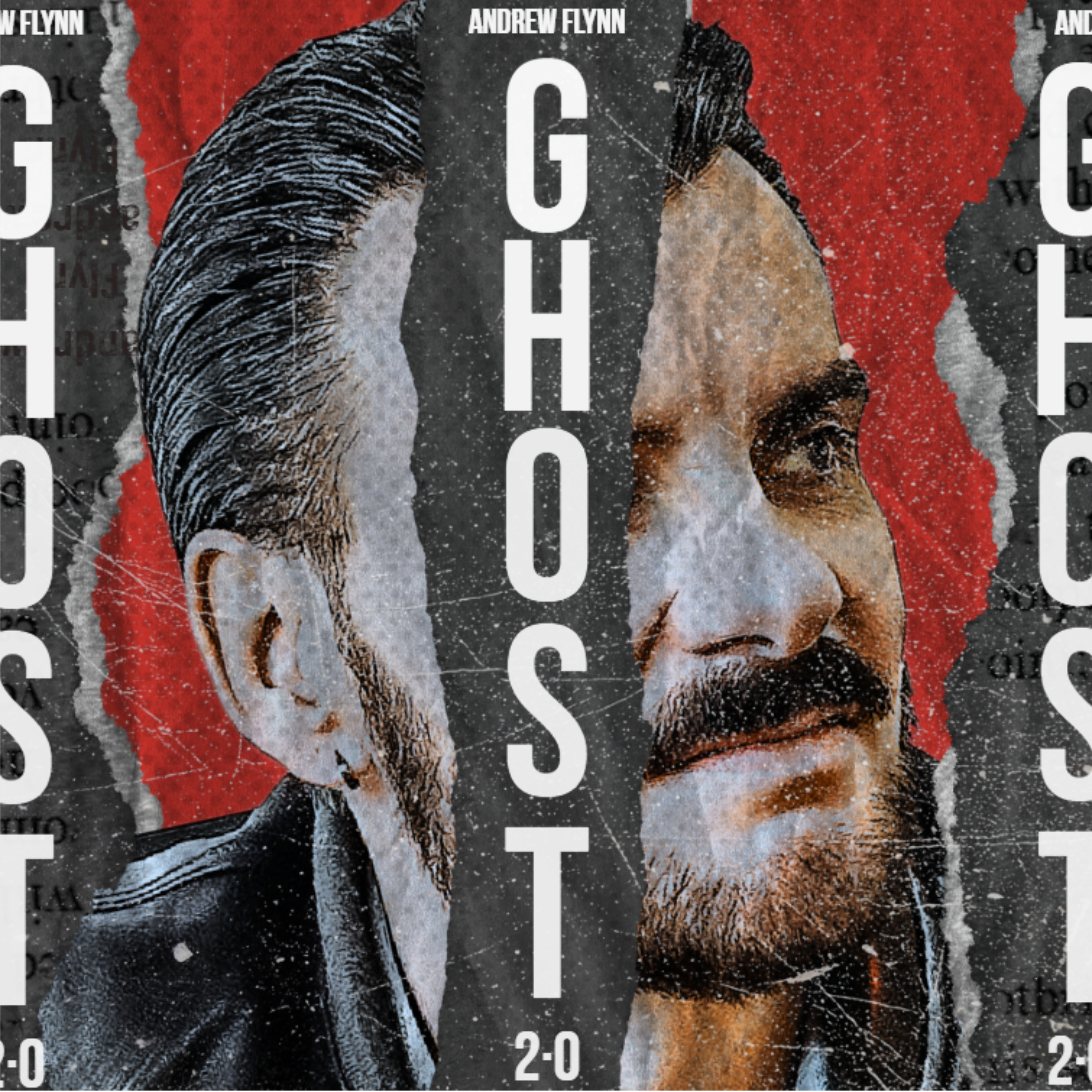
When I started shaping the artwork for Ghost 2.0, I kept circling back to one of my favourite covers – Mark Ronson and Amy Winehouse’s Valerie. There’s something timeless about it: the torn paper edges, that mix of colour and shadow, the raw soul of Amy’s voice spilling through production that feels both retro and modern. It captures what I wanted for Ghost 2.0 – reflection, nostalgia, and a bit of grit under the polish.

GHOST2.0

Most people know Valerie as an Amy Winehouse song, but it actually began with Liverpool band The Zutons in 2006. Frontman Dave McCabe wrote it about an American woman named Valerie Star, his ex-girlfriend who’d planned to move to the UK before a string of driving offences stopped her. The lyrics – “Did you have to go to jail, put your house up for sale…” – were quite literal. When Ronson and Winehouse reimagined it a year later, they turned a very specific story into something universal: longing, regret, and the messiness of love.

Valerie Star herself later told Vice that she still can’t listen to the song without feeling strange. “It’s kind of surreal,” she said. “I can’t keep the song on my shuffle playlist… I feel like it would come up at the most awkward times. Like, hey, just listening to a song about myself – don’t mind me.”

That blend of truth, irony, and reinvention hooked me. The idea that a song – and even its artwork – can travel through different lives and still hold emotional truth feels close to what Ghost 2.0 stands for. My artwork borrows that torn-paper aesthetic from Valerie, but filters it through a different lens: what happens when you peel back layers of identity, nostalgia, and self-image to see what’s really there.

It struck me that Ghost 2.0 mirrors Valerie in more ways than one. Mark Ronson and Amy Winehouse took a song that already existed – The Zutons’ Valerie, released just a year earlier – and reimagined it with new life and emotion. It wasn’t about erasing the original; it was about revealing another layer that had always been there, waiting to be heard.

That’s what this version of Ghost is for me. It’s the same song at its core, but it breathes differently now. I sometimes wonder if The Zutons could go back in time, would they reimagine Valerie themselves? Maybe not to compete with what came after, but to reclaim it – to express how it felt watching their own creation take on a second life.

That’s the beauty of art. Once it’s out in the world, it evolves. Ghost 2.0 is me doing exactly that – revisiting something I already made, not to fix it, but to let it speak in a new voice. GHOST2.0 will be released in January 2026.

Behind the Song: Ghost

When I wrote Ghost, it came from a place of feeling invisible in relationships, like I’d slowly disappear just to keep the peace. Times when I was scared to say what I really felt because honesty might push someone away. It’s that quiet prison where your sensitivity feels like something to hide. I’ve often found myself trapped in my own thoughts, replaying conversations, trying to work out where I went wrong, when really the truth is simpler: I was never seen for who I really am. I was hiding it to feel accepted.

Looking back, I realise that I started off already carrying a lot of emotional damage. Not because of my family or anything dramatic, but because of the world I grew up in. Society made me believe I was wrong. Being gay in the shadow of the AIDS crisis was hard. That fear and stigma hung over everything. It told me that who I was wasn’t safe, that to be myself was to risk rejection or disgust. I grew up absorbing the message that different meant bad.

When I was a teenager, I was extremely emotional. I felt things deeply and was often told that was wrong or too much. I used to think love meant big gestures and endless devotion, the kind of love you hear in songs like Celine Dion’s Because You Loved Me or You Are the Reason. Those songs shaped how I saw love, something pure, consuming, and unconditional. I believed that if I loved someone with that intensity, they’d see me and value me. So when I felt love for the first time, I grabbed onto it with both hands and was terrified to let go. It wasn’t really the person I was clinging to, it was the fantasy of what love could give me, acceptance and belonging.

Over time I learned that real love isn’t about losing yourself in someone else’s story. It’s not about shrinking so someone else can feel comfortable.

Lines like “the light flickers in my head” came from that space of rediscovery. It’s about those moments when I almost remember my worth. It’s there, but it fades. The light represents the truth of what I deserve, kindness, care, honesty, but sometimes it only shines for a second before the doubt returns. The song became a way of processing that grief, the loss of what I hoped love would be, and the realisation that parts of me had been dimmed to survive.

The ghost also represents those false ideas of love that I used to hold onto. The fantasy that love could save me, that being good or patient or endlessly forgiving would somehow make someone stay. I grieved those illusions the same way I grieved people. Every time a relationship ended, it wasn’t just losing them, it was losing another layer of belief in that fairy-tale.

Ghost is about reclaiming the parts of me that went quiet. The sensitive, emotional, hopeful parts I once thought were wrong. It’s about recognising that being unseen doesn’t mean being unworthy, and that sometimes the most haunting presence is that version of me trying to be loved and accepted by others, but now I know that comes from within me. In that way, the ghost isn’t just a loss, it’s also a reminder of everything still waiting to come back to life.

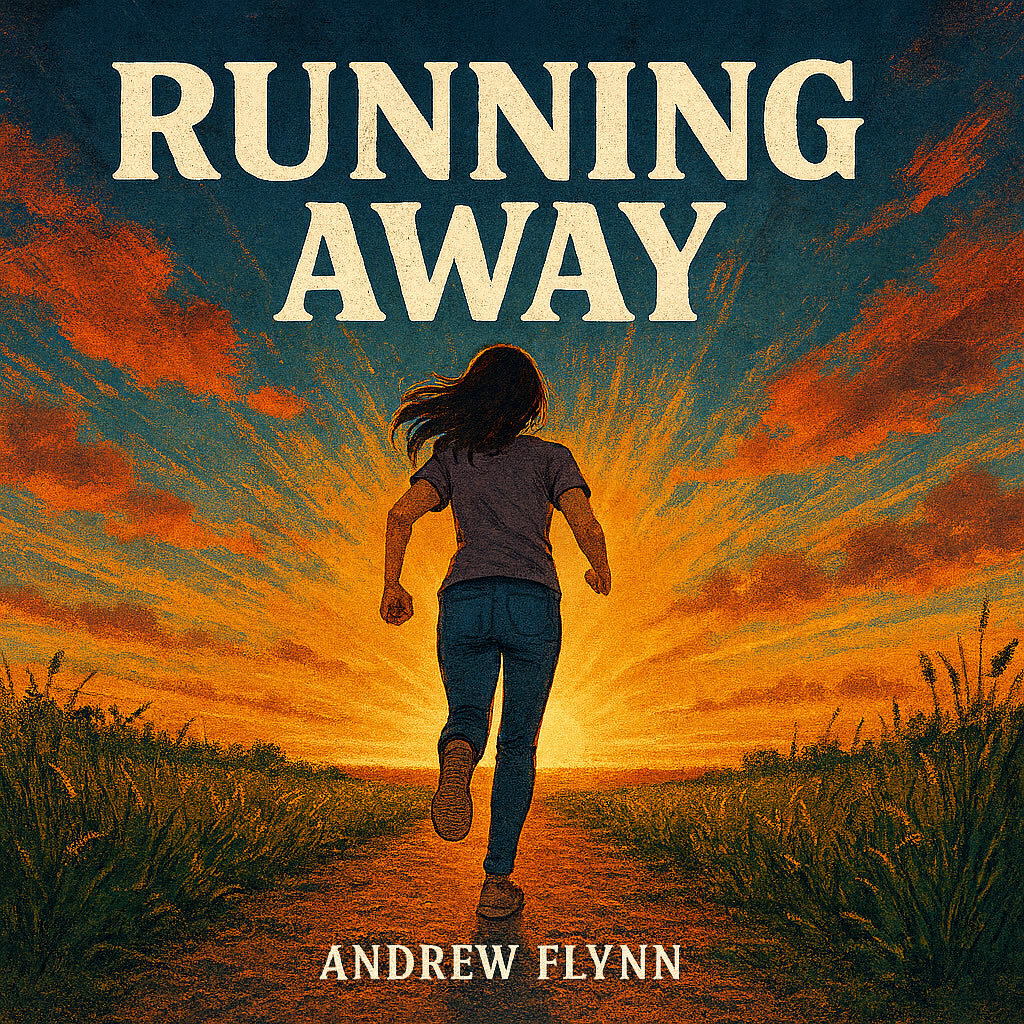
Behind the Song: Running Away — An End Is Also a Beginning

When I was writing Running Away, it carried a lot of meanings for me. It reflects different moments where I realised that how I look at something completely changes how I feel about it. You can see loss, or you can see opportunity. The situation might be the same, but the perspective changes everything.

There were times when I dulled pain, isolated myself, or hid away because I thought I had to be fixed before anyone could see me. That mindset kept me small. What I see now is that those moments weren’t failures, they were signals. They showed me what needed to change and what I was capable of facing.

I’ve been through relationships where I stayed too long because I believed that was all I deserved. But each time I reached that edge, something inside me spoke up. It said you don’t have to stay stuck in this story. That voice became stronger over time. It started guiding me toward curiosity instead of fear, toward understanding instead of escape.

That’s what Running Away represents, not the act of leaving, but the decision to see things differently. It’s about movement, awareness, and how choosing a new lens can turn pain into possibility. The song is that inner voice reminding me that change comes from seeing more clearly.

Every ending holds a beginning. When something falls apart, it clears space for what’s next . Running Away sits in that space between the two – the moment you realise that loss isn’t only about what’s gone, it’s also about what can now grow. The ending is just the point where awareness turns into movement.

Every lyric in Running Away is a conversation between who I was and who I’m becoming. It’s not about rejecting the past but recognising growth. Life will always have its mess, but perspective decides whether it feels heavy or freeing. When you shift how you see it, everything opens up.

Listen Now

Beyond Exposure

The more I create, the clearer it becomes that music only finds meaning when it’s shared with intention. Not pushed or hyped, just offered honestly.

I’ve started focusing on the places where real connection still happens. The moments where a song reaches someone because it speaks their language, not because a system decided it should. That kind of connection doesn’t need noise, it needs care.

I’m building my own space around that idea. A website that feels like a home base, somewhere listeners can wander and discover naturally. A mailing list that’s more like a letter, a quiet way to talk directly to people who care about the music. Simple, genuine contact.

Collaboration is also part of it. When you work with another artist who shares your values, the exchange is grounding. It’s not about trading audiences, it’s about shared curiosity. Talking about production choices, the story behind a lyric, or a creative spark that led to something new. Those conversations remind me why I make music at all.

Social media still has a role, but I use it differently now. One meaningful post can do more than a month of filler. A single clip that carries a feeling is stronger than five chasing attention. The same applies to visuals, artwork, short videos, photos. Each piece is part of a story told slowly and deliberately.

I’ve also started to think in seasons instead of cycles. Not everything needs to lead straight to a release. Some periods are for writing, others for shaping sound, and others for stillness. When the pace slows down, the quality rises. The music starts to reflect where I actually am, not where I think I should be.

What keeps me grounded is remembering that every song already matters once it feels true. Numbers can’t measure that. The listeners who are meant to find it will find it through honesty and timing. Real resonance doesn’t need a shortcut.

So the work now is simple. Keep creating. Keep sharing. Keep refining. Stay open and visible without forcing it. Let the songs travel at their own pace.

The more I move this way, the lighter it feels. Music returns to what it’s supposed to be, a human exchange. Not a campaign, not a metric. Just one person sending something out into the world, and another person somewhere receiving it.

Learning to Bake (and Sing) Under Pressure

Being cast in The Great British Bake Off Musical is both exciting and terrifying. It’s a brilliant show, but also a complex one – full of harmonies, overlapping dialogue, and quick transitions. Because it’s a parody of the TV show, the cast are on stage for around 90% of the performance. There’s no hiding. Every move, every note, every moment counts.

The Great British Bake Off The Musical

I went to see a production of it last Saturday at the Joseph Rowntree Theatre in York, and walked away genuinely blown away by the cast and performances. The role of Babs was a real standout – sharp, funny, and beautifully sung. There were some sound issues; the band occasionally overpowered the vocals and a few solo moments lost consistency. But viewed through the lens of an amateur production, it was an impressive achievement across the board. Seeing it live gave me a much clearer sense of the show’s rhythm – how the songs and libretto flow from start to finish.

York Cast - The Great British Bake Off Musical

The role I’m playing, Ben, was well-acted by the performer in that production. He carried the vocals solidly, though it missed a bit of warmth and charisma. Gemma’s role, meanwhile, is a fine balance to play – written as insecure but bubbly, she risks coming across as self-deprecating for validation if not handled carefully. It’s a northern character full of heart, so it needs lightness and sincerity rather than self-pity.

Babs - The Great British Bake Off Musical

We’ve had a number of rehearsals now, and I’ll be honest – a lot of it is still a blur. I’m struggling to retain some of the harmonies we worked on last week, and without recordings to reference, it’s hard to anchor them in memory. Maybe that’s normal; maybe it’s just part of my process. Either way, I’ve found some extra singing support outside of rehearsals to go over the songs once a week, so I’m doing what I can to keep building confidence and stamina.

It’s a lot to learn, but it’s also a privilege. Stepping into this show feels like throwing myself into the deep end – and trusting I’ll learn to swim somewhere between the notes.

I Thought Music Promo Services Would Bring Listeners. It Mostly Brought Clarity.

Two years into releasing music, I’ve learned that most of what gets called promotion isn’t really about reaching listeners. It’s about chasing the feeling of progress. When I first started, I thought SubmitHub, MusoSoup and all the other platforms were just part of the process — the unspoken checklist every independent artist was meant to follow. Skip them and the music would vanish into the noise, or so it seemed.

Andrew Flynn Music

SubmitHub came first. I poured time and money into it, convinced it was the route forward. Rejections rolled in, a few approvals here and there, but none of it translated into actual listeners. I wasn’t investing in growth — I was paying to feel like I hadn’t stopped trying. That’s the trap: mistaking motion for movement.

MusoSoup looked better at first. Eighty playlists sounded like momentum. But when the data came in, there were three genuine plays, all from one list. The rest were empty shells, the kind that exist for screenshots more than sound. It hit me then that most “promotion” platforms sell the appearance of traction, not connection. The only lasting value came from a handful of written reviews that helped with search visibility. Useful, yes — but still surface-level.

ReverbNation was another system on autopilot, built for an earlier era. No bad intent, just a product of habit. It taught me something though: if I can’t take something away and reuse it myself, it’s not really helping me.

The Unsigned Guide changed that. It gave me tools, not illusions — a way to build my own radio list, to contact people directly, to own my process. That was the moment I understood the difference between renting momentum and building it.

BBC Introducing still makes sense to me because it remembers. It recognises consistency, not one-off campaigns. When you keep showing up, it builds a record of your work. That’s real progress.

Looking back, I wasn’t paying for promotion — I was paying for reassurance. It’s what every independent artist wants when they’re creating in a vacuum: proof that the work is landing somewhere. But the truth is, the only things that ever mattered came from real people. Messages from listeners. Someone sharing a song because it spoke to them. The slow, quiet kind of growth that lasts.

Now I measure success differently. I don’t care about numbers that look good; I care about the ones that mean something. I’d rather have ten real listeners than a thousand empty clicks. The illusion doesn’t interest me anymore.

The goal now is simple — make music, share it honestly, let it find its people. No gimmicks, no treadmill. Just the real thing, at its own pace.