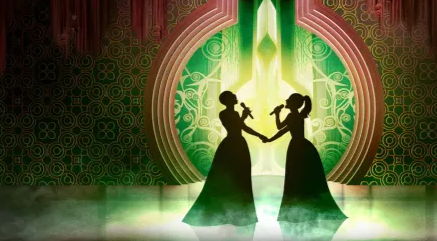
When I was sixteen, I stepped into the music world believing I was ready for it. I wasn’t. I wanted the dream so badly that I didn’t see how exposed I really was. That age is all hunger and imagination. You think you’re invincible because nothing bad has happened yet. You think a yes will change everything, and a no will never come. At sixteen, I genuinely believed I could be chosen and lifted into a life that looked golden from the outside.
It was the age of glossy boybands, rehearsed charm, rigid styling, and perfect harmonies. I found myself auditioning for one of them. Each round I passed felt like confirmation that fate was involved. I didn’t understand the machinery beneath it all, the way decisions had nothing to do with who could sing and everything to do with what could be sold.
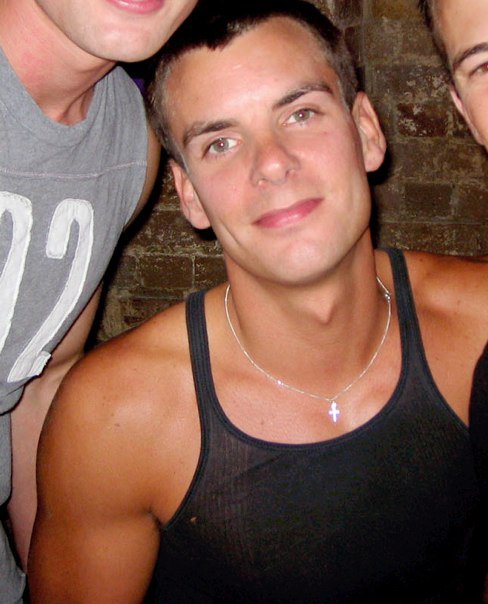
We had sessions with Shirley Bassey’s singing teacher. She was fierce, perceptive, the kind of woman who could hear your entire emotional landscape in a single note. Before the final decision, she pulled me aside and said something I wasn’t old enough to fully process. “Andrew, if you don’t get chosen, it won’t be because of your voice. Out of all of them, you’re the best singer. It’s about the look they’re going for.”
Those words hit with a strange duality. They were both a reassurance and a judgment. I heard the compliment, but I didn’t yet understand the truth sitting inside it. I wasn’t being evaluated as a human being with a voice. I was being measured as a product. My voice was irrelevant. My face was the deal-breaker. At sixteen, that realisation sinks into the bones like cold water.
A few hours later, the no arrived.
It didn’t matter that the boyband barely made an impact. It didn’t matter that another group exploded at the same time and dominated the charts (a clue: The Irish came from the west). What mattered was that the dream I had pinned to my self-worth snapped in half. Something inside me folded. I didn’t rant or fall apart. I just went silent. Quiet silence is a different kind of pain. It’s the kind you carry for decades because you never gave yourself permission to feel it.
Without even naming it, I stopped singing. I walked away from something I loved because I assumed it didn’t want me back. I didn’t revisit that part of myself for almost thirty years.
People think dreams die loudly. They don’t. They submerge. They find a shadowed corner inside you and wait for your life to make room for them again.
Decades went by. I became an adult with responsibilities, bills, heartbreaks, jobs, survival. I built a life with no space for the boy who wanted to sing. But he never left. He just waited for a crack in the armour.
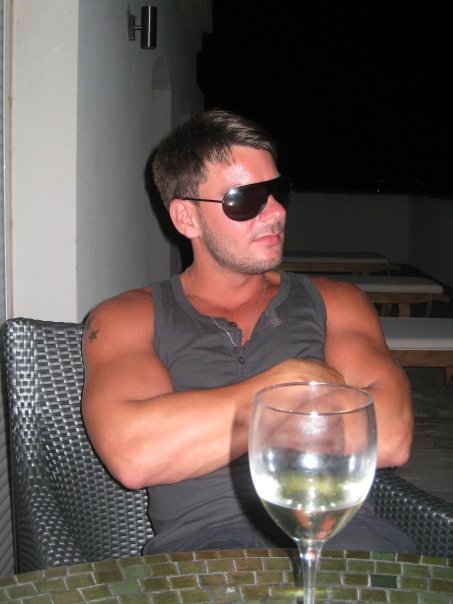
Then, one day, something small shifted. Not a dramatic moment. Not an epiphany. Just a quiet tug in the chest. A feeling that I had abandoned a part of myself I wasn’t supposed to abandon forever. I opened a music app, pressed a key, and sang a line. It felt like tapping a stone buried under the earth and hearing something alive beneath it.
My voice was older now. Deeper, steadier, carrying more truth than it ever did at sixteen. It didn’t sound like the voice of a boy chasing fame. It sounded like someone who had lived.
This time, though, I wasn’t stepping into the industry blind. I knew exactly what it was. The music industry is not a fair system. It’s not even a system. It’s a creature.
A lion.
Magnificent, powerful, hypnotic. It draws people in with the promise of safety, approval, elevation. But beneath that golden exterior live teeth and hunger. And the ones most vulnerable to the lion’s appetite are the ones who want its attention the most.
I was the lamb. I had always been the lamb. Soft, open-hearted, full of yearning. Yearning is dangerous. It makes you walk toward the very thing that can consume you.
This time, when labels began showing interest, I felt the old pull. The warmth. The sense of being seen. Words like potential and fresh sound. At sixteen, these words would have been oxygen. Now they felt familiar in a way that was both comforting and unsettling.
But adulthood gives you the one thing a teenager never has: pattern recognition.
The tone shifted. Compliments turned into expectations. Interest turned into extraction. Labels wanted me to fund everything myself: the production, the marketing, the promotion. They wanted my time, my energy, my money, my effort. What they offered in return wasn’t safety, structure, or partnership. It was intangible guidance. Wisdom. Suggestions. Knowledge presented like gold but impossible to hold.
And that’s when I understood the dynamic fully. The lion doesn’t want your talent. The lion wants your devotion. It wants your hunger because hunger makes you compliant. Hunger makes you easy to shape. Hunger makes you a useful meal.
I stepped back before the jaws could close.
And then something unexpected happened. Instead of shrinking, I expanded. I began creating music for myself. I wrote and released song after song. Narcissist. True Love Is Inside You. Capsized Heart. About Love. Ghost. Scrolling for Love. Running Away. Each one felt like stitching together a wound that had been open since I was sixteen.
But even then, the journey wasn’t smooth. I pushed too hard. Burned myself out promoting everything. Chased numbers. Refreshed stats. Wanted proof that I wasn’t delusional. On the worst days, the old sixteen-year-old voice whispered, maybe they were right about you.
But growth rarely arrives as a dramatic transformation. It comes in small, honest moments. Mine came while listening to a new mix of Ghost 2.0. For the first time, I heard myself clearly. My voice wasn’t the voice of a hopeful amateur anymore. It was a voice with weight. Professional. Emotional. True. And I realised something profound: I had become the artist I once needed someone else to believe I could be.
I had become him without anyone choosing me.
That was the turning point. I stopped craving the lion’s gaze. I stopped feeding the fantasy that someone else needed to lift me. Sobriety sharpened everything. It cut through the illusions I’d held since sixteen. I no longer wanted fame. I wanted truth. I wanted a creative life built on intention, not desperation. I wanted to grow at a pace that didn’t break me.
And in that quiet, everything started growing naturally. Listeners have found me slowly. The right ones. The honest ones. Not masses. Not noise. Just genuine connection.
Now I understand the real story I’ve been living. It was never about becoming a lion myself. It was never about defeating the lion. It wasn’t even about escaping the lion.
The real power is this:
The lamb doesn’t survive by becoming stronger than the lion.
The lamb survives by no longer believing the lion is a god.
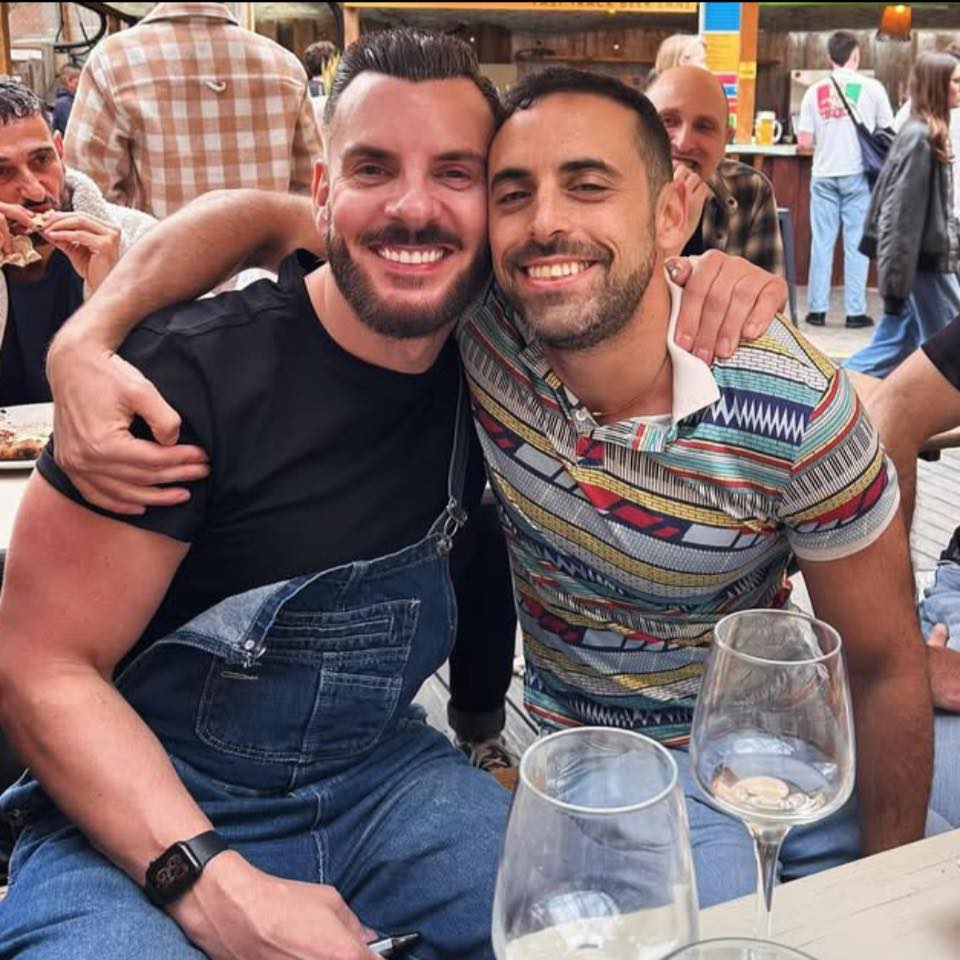
I am singing again. Not to rewrite the rejection from when I was sixteen. Not to chase the fantasy of overnight success. Not to win the approval of an industry built to feed on people like me.
I am singing because the voice I abandoned didn’t abandon me. It waited, patient and quiet, until I was finally old enough, brave enough, and grounded enough to choose myself.
And now, I finally have.