
The other night I watched the TV broadcast of Wicked: One Wonderful Night, a celebration filled with live performances that, on the surface, were flawless. Every singer hit their notes perfectly. The harmonies were seamless, the sound mix pristine, and the camera work captured every emotional beat. It was impressive, but the longer I watched, the more it started to feel strangely hollow. Not because the performers weren’t talented — they were incredible — but because the whole thing was so polished that it lost its sense of being alive.
It reminded me how perfection can start to feel fake when every human edge is smoothed out. Even live music, which used to be about risk and spontaneity, now often sounds like a studio recording dressed up as a live event. The vocals are tuned, the mix is cleaned, and the energy is controlled. You end up with something technically flawless but emotionally sterile. It’s like staring at a wax figure that looks exactly like the person, but doesn’t breathe.
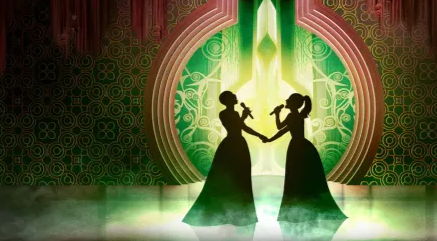
What this kind of broadcast quietly tells the audience is that this is the new standard — that live performers are supposed to sound flawless every time, with no cracks, no fatigue, no risk. It trains people to expect superhuman precision from artists who are, in reality, just people using their voices like anyone else uses their hands. The bar looks impossibly high, but it isn’t real. It’s a studio illusion dressed up as live truth, and it leaves both performers and listeners chasing something that doesn’t actually exist. The danger is that when real live music happens — when someone misses a note or their voice trembles — the audience mistakes honesty for failure.
In music, the small imperfections are what make a performance human — a slightly cracked note, a breath that hits too hard, a moment where someone pushes their voice past comfort because they’re caught in the feeling. Those moments are alive. They connect us. We don’t remember a show because it was perfect; we remember it because it made us feel something real. But the culture of performance right now, especially in mainstream pop and televised specials, seems obsessed with producing “live perfection.” It’s marketed as authenticity, but it’s actually control disguised as truth.
I’ve felt the pull of that pressure as an artist too. The idea that every song, every mix, every vocal take has to sound “industry ready” — balanced, bright, competitive. But the more you chase that standard, the more you lose the original spark of what you were trying to say. There’s a difference between craft and control. Craft refines; control sterilises. A mix can enhance emotion, but when you start correcting emotion itself, you cross into something else entirely.
Watching Wicked that night, I found myself thinking about how much of art now is engineered to remove vulnerability. Even shows that are supposed to celebrate human emotion end up feeling like they’ve been digitally ironed until nothing creases. We call it professionalism, but sometimes it’s just fear — fear of being caught sounding too human.
As someone who grew up loving raw performances, that loss bothers me. When you hear Freddie Mercury miss a note, it’s still glorious because you hear his humanity in it. When Elton John’s voice breaks slightly on a ballad, it adds weight, not weakness. Those artists didn’t have to be perfect to be powerful. They knew that emotion isn’t tidy.
So when I watch these modern “live” spectacles, I can’t help feeling that we’re watching the life drained out of something that used to breathe. It’s a strange kind of irony: the more technology we use to sound human, the less human it becomes. Maybe that’s what authenticity is now — not about being flawless, but about daring to sound alive again.